Imagine installing brand-new hardwood flooring, only to witness it warping, buckling, or developing unsightly gaps just months later. This scenario becomes a harsh reality when acclimating hardwood flooring is neglected.
Acclimation is essentially allowing the wood planks to adjust to the environment where they’ll be permanently installed. This process ensures the wood reaches a stable moisture content, preventing unwanted warping, cupping, and other issues that can plague a beautiful floor.
By dedicating some time for proper acclimation, you’re setting your hardwood floors up for long-lasting success. In this article, we’ll discuss the ins and outs of acclimating hardwood flooring so you can enjoy it for a lifetime.
List of Contents
Why Acclimating Hardwood Flooring Matters
Wood is a naturally hygroscopic material, meaning it readily absorbs and releases moisture from the surrounding environment. Think of a sponge; it expands when wet and shrinks when dry. Similarly, hardwood flooring will react to changes in humidity.
Skipping proper acclimating hardwood flooring throws this natural process into disarray. If the planks are installed with a moisture content that differs significantly from the environment, they’ll attempt to reach equilibrium.
This can lead to a cascade of issues:
- Shrinkage: When exposed to drier air, the wood loses moisture, causing planks to shrink and gaps to appear between them.
- Warping: Uneven moisture absorption can cause individual planks to bend and distort, creating an uneven surface.
- Cupping: This occurs when the edges of the planks curl upwards due to uneven moisture distribution within the wood.
These consequences not only detract from the aesthetic appeal of your floor but can also compromise its structural integrity. In severe cases, the damage might necessitate complete floor replacement.
How to Acclimate Hardwood Flooring for a Flawless Installation
Now that we understand the crucial role of acclimating hardwood flooring, let’s delve into the specifics of achieving a successful outcome.
Ideal Environment:
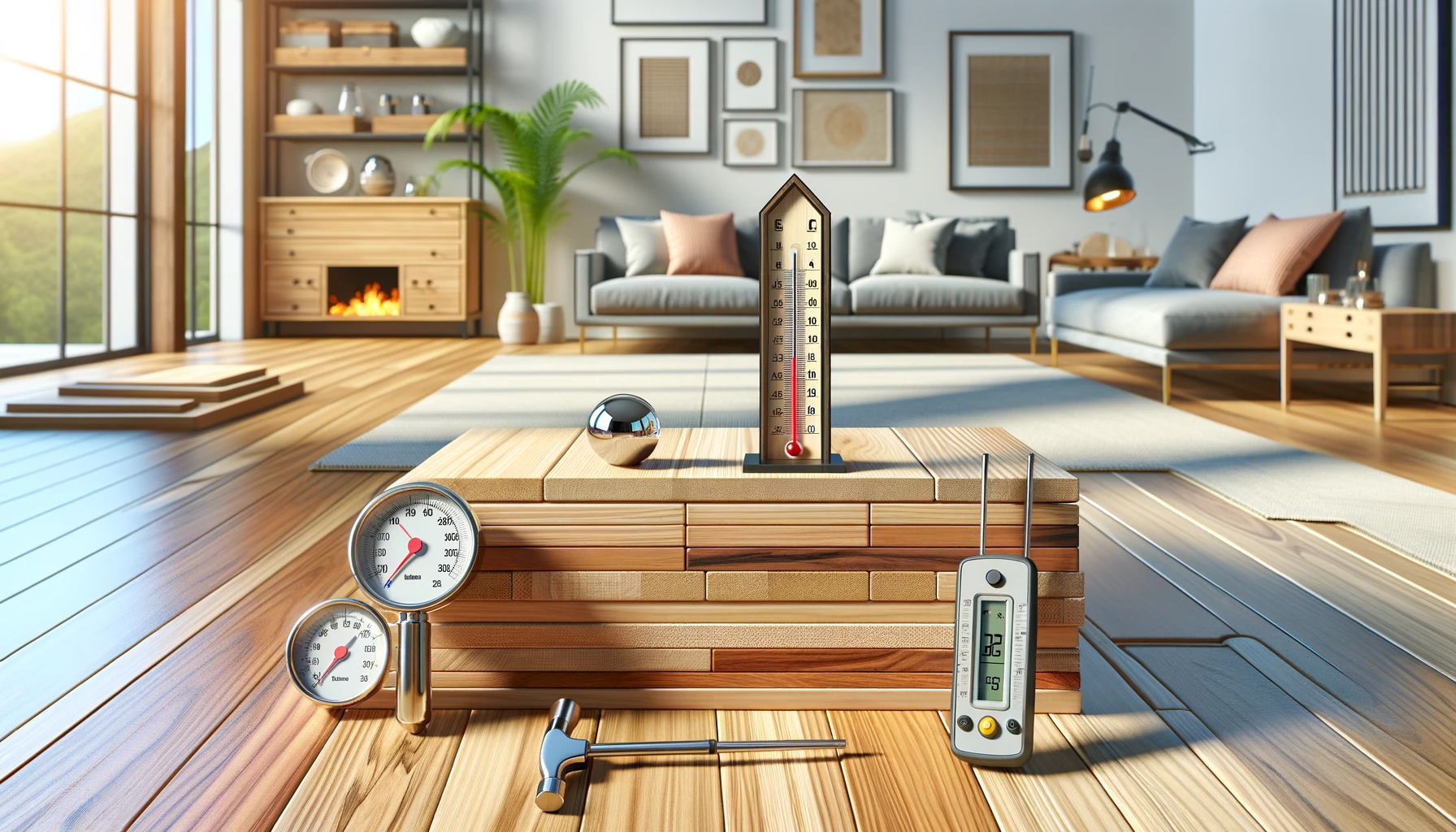
Imagine your new hardwood floor as a living organism that thrives in a specific climate. The ideal environment for acclimation mimics your home’s typical living conditions. Aim for a consistent temperature range of 60-80°F (15-27°C) and a moderate humidity level between 30-50%.
Here’s a concept crucial to understanding the acclimation process: Equilibrium Moisture Content (EMC). This refers to the moisture level at which wood stabilizes within a specific environment. When the flooring reaches an EMC that closely matches the subfloor’s EMC, the risk of future warping and gapping is significantly reduced.
Pre-Installation Steps:
Preparation is key! Ideally, run your HVAC system for at least 5 days before the flooring arrives. This allows the room to reach and maintain the desired temperature and humidity levels.
However, if your HVAC system is unavailable, don’t panic! Alternative solutions like strategically placed fans and dehumidifiers can help achieve a similar effect. Remember, avoid storing the flooring in areas with fluctuating temperatures, such as garages, basements, or uninsulated attics.
Acclimation Process:
Now comes the hands-on part:
- Unpack and Stack the Flooring: Take the planks out of their boxes and arrange them in cross-sticks (raised supports allowing air circulation) throughout the room. This ensures even exposure to the controlled environment.
- Measure Moisture Content: Invest in a moisture meter to measure the moisture content of both the subfloor (following manufacturer recommendations) and the wood planks.
- Achieving Equilibrium: The goal is to get the flooring as close as possible to the subfloor’s EMC. Ideally, this difference should be within 2%. If there’s a significant discrepancy, consult a professional for guidance on adjusting the acclimation time.
Timeline for Hardwood Flooring Acclimation:
While a minimum recommended timeframe of 3 days is a good starting point, remember that manufacturer instructions and site-specific factors can influence the actual duration.
For instance, thicker planks or regions with extreme climates might require longer acclimation periods. Always prioritize the specific recommendations provided by your flooring manufacturer and consult a professional if needed.
Types of Hardwood and Their Acclimation Needs
While the core principles of acclimation apply to all hardwood flooring, understanding the specific type of wood you’re installing can provide valuable insights into the process.
Here’s a glimpse into how different types of hardwood and their origins influence acclimation:
Temperate vs. Tropical Hardwoods:
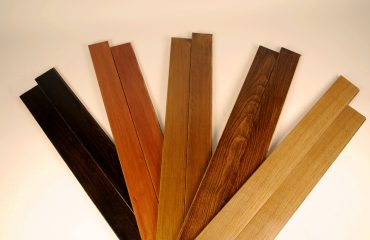
- Temperate Hardwoods (Oak, Maple): These woods originate from regions with moderate climates and typically have a lower EMC range (around 6-8%). Due to their inherent stability, they generally require shorter acclimation periods (around 3-5 days) compared to their tropical counterparts.
- Tropical Hardwoods (Mahogany, Brazilian Cherry): Hailing from regions with high humidity and temperature, these woods often boast a higher EMC range (around 8-12%). Their greater susceptibility to moisture fluctuations necessitates a longer acclimation period (potentially up to a week or more) to ensure proper stabilization.
Species-Specific Considerations:
- Oak: A popular and relatively stable choice, oak typically requires 3-5 days for acclimation. However, red oak, with a slightly higher EMC, might benefit from a slightly longer acclimation period compared to white oak.
- Maple: Known for its tight grain and excellent stability, maple usually acclimates within 3-4 days.
Impact on Acclimation Process:
Knowing the EMC range of your chosen wood species allows for a more precise approach to acclimating hardwood flooring.
Here’s how it influences the process:
- Higher EMC woods: Due to the larger gap between the wood’s EMC and the ambient environment, a longer acclimation period is necessary to achieve equilibrium. This might involve using dehumidifiers to create a drier environment that facilitates moisture release from the wood.
- Lower EMC woods: These woods require less time to adjust to the surrounding conditions. However, close monitoring of the environment and moisture content is still crucial to prevent issues.
Remember: While this information provides a general framework, always prioritize the specific recommendations provided by your flooring manufacturer. They can offer precise guidelines tailored to the unique characteristics of your chosen wood species and the intended installation environment.
Additional Tips
For intricate installations or situations where achieving the ideal environment proves challenging, don’t hesitate to seek help from a professional. Consulting a reputable flooring company like Dublin Carpet can ensure your project runs smoothly and yields exceptional results. Our expertise can be invaluable in navigating complex situations and ensuring proper acclimation for your specific needs.
Furthermore, resources like the US Department of Agriculture Wood Handbook provide valuable information, including charts that indicate Equilibrium Moisture Content (EMC) levels for various wood species and geographical locations.
Taking the time to properly acclimate hardwood flooring might seem like an additional step, but it’s an investment that pays off in the long run. By ensuring your flooring reaches a stable moisture content before installation, you significantly reduce the risk of future warping, cupping, and gaps. This translates into a beautiful, long-lasting hardwood floor that graces your home for years to come.
Ready to transform your space with the warmth and elegance of hardwood flooring? Contact Dublin Carpet today.
Our team of flooring specialists has the knowledge and experience to guide you through every step of the process, from selecting the perfect material to ensuring a flawless installation. Let us help you create a stunning hardwood floor that becomes a cherished feature of your home.
Need Help Acclimating Hardwood Flooring? Contact Dublin Carpet