Bathroom floors see more water, steam, bare feet, and dropped products than many people realize. The right bathroom floor tiles need to look good while handling moisture without becoming a slippery headache. A great bathroom floor should feel like a solid part of the room, not an afterthought.
When we help homeowners plan bathroom updates, we look beyond color and pattern. We ask how the room gets used, who uses it, and where water lands most often. Those details help us recommend a floor that looks right and works hard.
Bathroom Floor Tiles Need More Than Good Looks
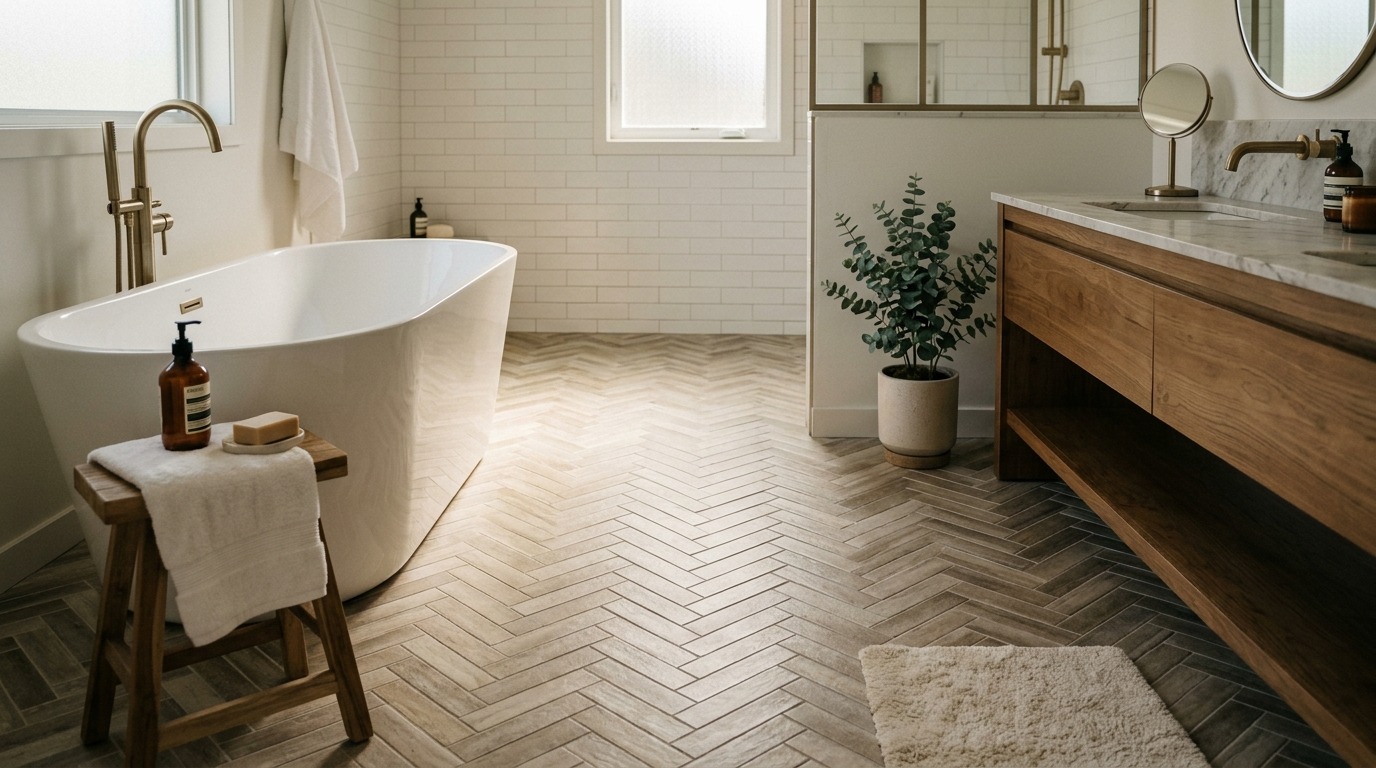
Bathroom floor tiles can set the tone for the whole room. A soft stone-look tile can make a small bathroom feel calm and airy. A patterned tile can bring personality to a simple vanity or white shower.
Still, the floor needs to handle water coming from many directions. Splashing around the sink, wet towels, and damp feet all create moisture concerns. Bathrooms with kids often see plenty of water outside the tub too.
A polished tile may look beautiful in a showroom display. In a wet bathroom, however, a glossy finish can become more slippery than expected. Matte or textured bathroom floor tiles often offer better traction for daily use.
We help homeowners look at samples under realistic lighting conditions. A tile can look very different under bright store lights than it does at home. Seeing the texture up close also helps you picture how it feels under bare feet.
Think About Who Uses The Bathroom
A guest bathroom has different flooring needs than a primary bathroom. A guest space may only see occasional use, while a family bathroom gets busy before school. The flooring should fit the room’s pace and the people using it.
Homes with young children need bathroom floor tiles with dependable grip. Kids often step out of the tub before they have dried off completely. A textured surface can make those everyday moments feel less stressful.
Older adults may also benefit from a tile with more traction. A wet bathroom floor can become risky without the right surface underfoot. Consider how easily someone can move from the shower to the vanity.
A primary bathroom may need a warmer and more polished look. A guest bath might benefit from a tough, easy-care surface that still feels inviting. Matching the material to the room’s role keeps your choices grounded.
Porcelain Tile For Busy Bathrooms
Porcelain is one of the strongest options for bathroom flooring. It is dense, durable, and made to handle moisture in wet spaces. It also comes in styles that resemble stone, concrete, or natural wood.
Many homeowners like porcelain because it holds up well over time. It can handle foot traffic without looking tired after a few years. It also works nicely in bathrooms connected to bedrooms or dressing spaces.
When selecting bathroom floor tiles, porcelain deserves a close look. It can create a clean, high-end look without asking for much fuss. A large-format porcelain tile can make a compact bathroom feel less crowded.
The size of your tile can affect the mood of the room. Larger tiles create fewer grout lines across the surface. Smaller tiles can add texture and visual movement, especially in shower areas.
Porcelain may feel cool underfoot during colder mornings. A bath mat near the vanity can soften that feeling quickly. Some homeowners also consider radiant heat beneath tile during a full remodel.
Ceramic Tile For Everyday Style
Ceramic tile can be a good fit for bathrooms with lighter moisture exposure. It often provides plenty of color and pattern choices for homeowners who want a custom look. Ceramic can also work well when a bathroom needs a more budget-conscious update.
The tile you select must be rated for floor use. Wall tiles are not always built to handle repeated foot traffic. That detail matters because floor-rated bathroom floor tiles are made for a different job.
Ceramic is often easier on the budget than higher-end porcelain options. It still offers style flexibility in powder rooms, guest baths, and low-traffic spaces. A powder room can be a great place to try a playful pattern.
For bathrooms with a frequently used shower or tub, porcelain may offer more reassurance. It is better suited to rooms with regular water exposure. We can help compare samples so you understand what fits your household.
Texture Matters More Than Shine
Bathroom floors should provide footing when water is present. High-gloss tile can look dramatic, but it may become slick after a shower. Matte finishes are often easier to live with in active bathrooms.
When reviewing bathroom floor tiles, ask about slip resistance ratings. For interior level floors expected to get wet, a DCOF value of at least 0.42 is commonly used as a benchmark.
The shower floor needs even more attention than the rest of the bathroom. Smaller mosaic tiles add grout joints, which can create more grip underfoot. They also make it easier to shape the floor toward the drain.
A larger tile can still work outside the shower. Keep the finish practical and ask to see it wet if possible. A good-looking tile should not leave you second-guessing every barefoot step.
Grout Changes The Finished Look
Grout may take up a small amount of floor space, but it changes the finished design. A matching grout color creates a calmer, more blended appearance. A contrasting color makes each tile shape stand out more.
Light grout can make a small room feel bright and fresh. It may show dirt more easily near busy doorways or vanities. Darker grout can hide everyday marks but may make a tiny room feel busier.
For bathroom floor tiles, grout width matters as much as color. Narrow lines can make large tiles feel more seamless. Wider lines can add a more traditional look and give patterned tile extra character.
Grout needs care in wet rooms because moisture can reach the joints. Some grout products need sealing, while others offer more built-in stain resistance. We can talk through practical options before your installation begins.
Match Tile To Your Bathroom Layout
Small bathrooms need smart material choices, not necessarily tiny tile. Large-format tile can make the floor look more open by reducing visible grout lines. Light colors can also help walls and floors feel less boxed in.
A long, narrow bathroom may benefit from rectangular tiles placed across the room. This can visually widen the space and create a more balanced look. Layout direction makes a bigger difference than many homeowners expect.
In a larger bathroom, bathroom floor tiles can help create separate zones. You might use one tile throughout the main floor and a smaller mosaic in the shower. That shift can feel intentional without making the room look busy.
A bathroom with a freestanding tub may call for a softer tile pattern. A shower-heavy bathroom may need more grip near the wettest areas. The layout should support the way people walk through the space.
Wood Looks Without Wood Worries
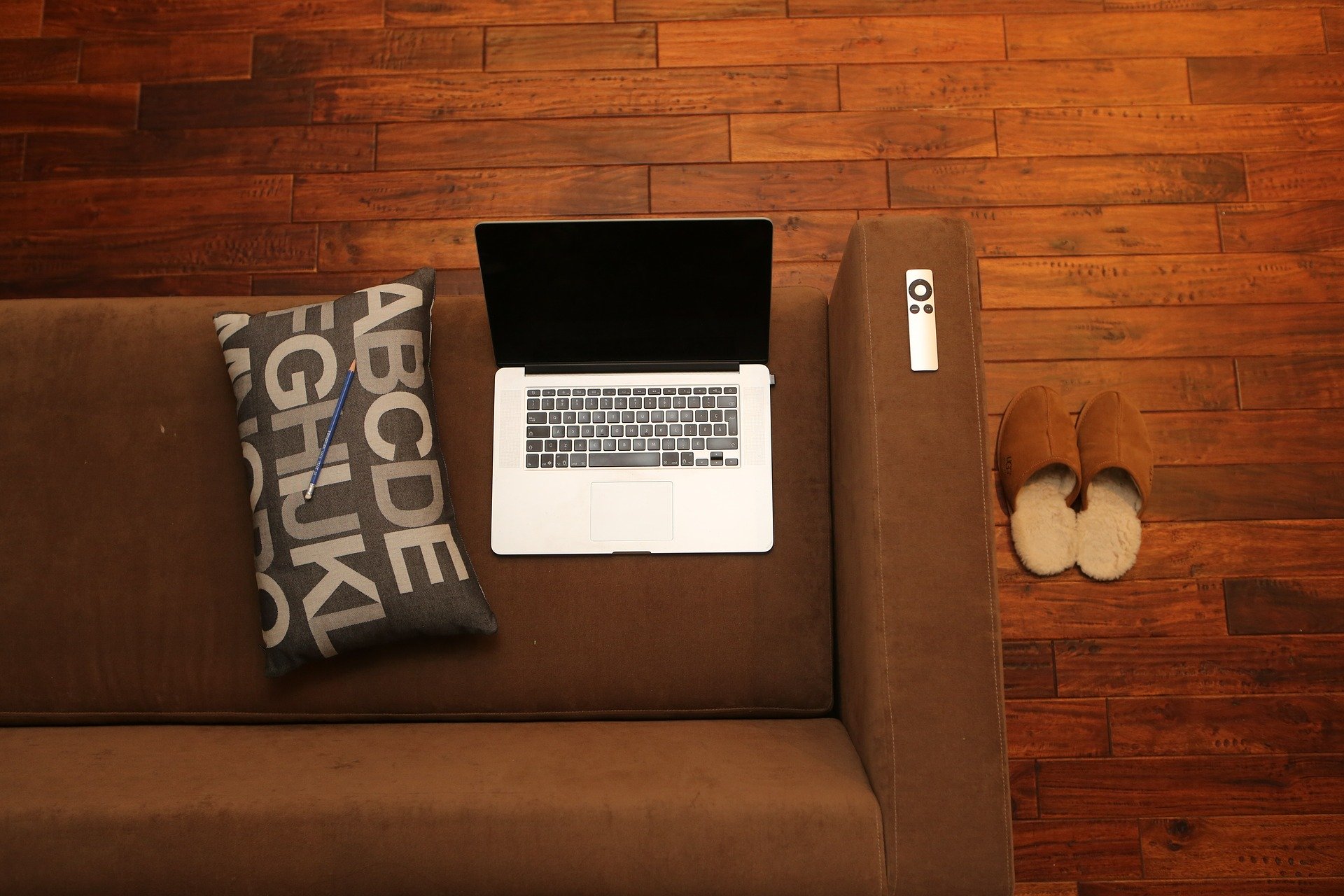
Many homeowners love the warm look of hardwood, even in bathrooms. Real wood can be difficult around moisture and repeated steam exposure. Wood-look porcelain gives you a similar visual feel with better water resistance.
Our hardwood flooring options can inspire the color direction you want for nearby rooms. Then, wood-look bathroom floor tiles can help carry that tone into the bathroom. This creates a smooth transition without putting real hardwood near standing water.
Wood-look tile can work in modern homes or more traditional spaces. Wider planks give a relaxed feel, while narrow planks look more classic. The right grout color helps the floor look like a finished design instead of a printed imitation.
It can be especially useful in bathrooms connected to bedrooms. You get the warmth of a wood-inspired look without worrying over every splash. That makes the space easier to enjoy day after day.
Tile Compared With Other Materials
Tile is not the only bathroom flooring option, though it is a strong one. Luxury vinyl can work well in bathrooms that need a softer feel. It is also useful when homeowners want faster installation or a lower-cost update.
You can view our other flooring options to compare materials for moisture-prone rooms. Vinyl may feel warmer underfoot than tile and can handle everyday splashes. It can be a practical fit for secondary bathrooms or laundry-connected spaces.
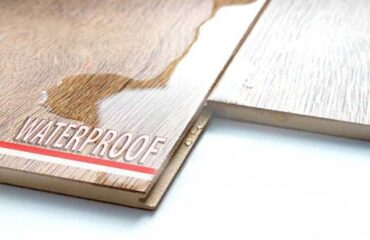
Laminate can be harder to recommend for bathrooms unless it is specifically rated for wet areas. Seams and edges deserve close attention near tubs or showers. The room’s moisture level should guide the product decision.
Our laminate flooring selection can help you compare wood-look surfaces for lower-moisture rooms. It may be a better match for a hallway outside the bathroom. Using a transition between materials can keep the overall design connected.
Carpet has no place inside most full bathrooms because moisture can linger in the fibers. It can still work beautifully in bedrooms or nearby sitting areas. Our carpet flooring styles can help coordinate those dry spaces with your bathroom palette.
Plan For Maintenance Before Installation
Bathroom floor tiles are easy to care for when you plan ahead. A textured tile may hide water spots better than a smooth glossy surface. A larger tile may mean fewer grout lines to keep up with.
Keep cleaning products suitable for your specific tile and grout. Abrasive tools can scratch some surfaces and leave dull marks. Mild products designed for tile are usually the safer route.
Ventilation also makes a major difference in a bathroom. A working exhaust fan helps manage steam after showers and baths. Less lingering moisture helps the room feel fresher and protects nearby finishes.
When you understand how you will care for the floor, decisions feel easier. A beautiful floor should fit the amount of maintenance you are willing to do. That keeps your bathroom from becoming another weekend project.
Questions To Ask Before Ordering Tile
Before ordering bathroom floor tiles, bring a few practical questions to the conversation. These details can help you avoid a floor that looks great but feels wrong.
- Is this tile rated for use on residential floors?
- Does the finish provide enough grip for wet bare feet?
- Will this tile work inside or outside the shower?
- How will the grout color look after regular bathroom use?
- Does this tile coordinate with nearby rooms and finishes?
- Will the tile feel comfortable in a room with limited sunlight?
These questions make it easier to narrow down your options. You do not need to memorize every product detail before visiting a showroom. We can help you compare materials based on your bathroom and budget.
FAQs
+
+
+
+
+
+
Give Your Bathroom A Strong Foundation
Ready to find bathroom floor tiles that fit your style and daily routine? Contact Dublin Carpet or call 925-833-0165, and we will help you plan a floor you will enjoy.