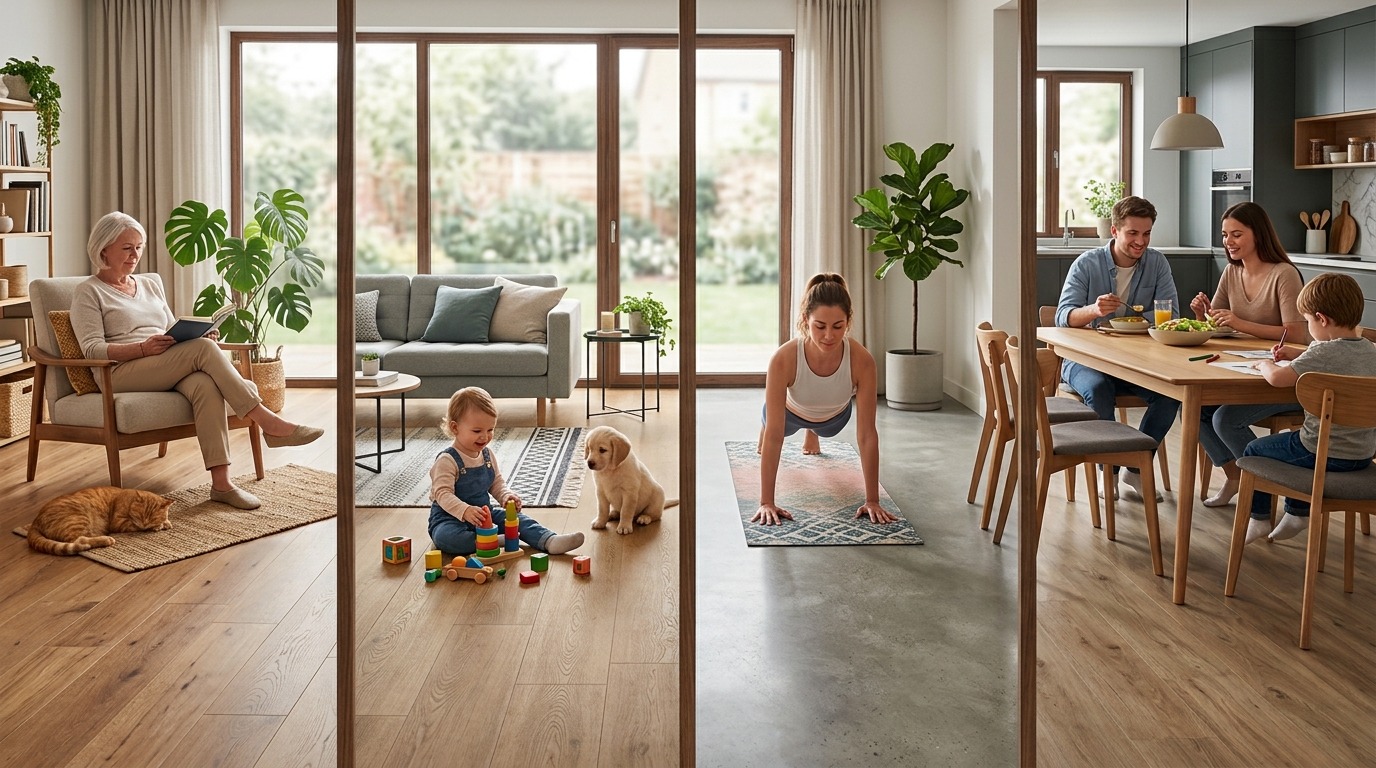
Carpet brings warmth and comfort, but it does not suit every room or every household. Muddy shoes, pets, spills, and heavy traffic can make homeowners look for stronger surfaces. The right carpet alternatives can give your home a fresh look while making daily cleanup feel easier.
Many people start this process after noticing worn paths in hallways or stubborn stains. Others want a more open feeling in living spaces or a floor that works better with allergies. We help homeowners compare materials based on how their homes are used.
Carpet Alternatives Start With Your Daily Routine
Carpet alternatives should fit your routine instead of creating more work each week. A busy family room needs something different from a quiet bedroom or formal dining space. Thinking about how each room works makes the decision much easier.
Start by looking at traffic patterns inside your home. Entryways, hallways, and kitchens often take the most wear throughout the day. Bedrooms and offices may need more comfort or sound control than hard surfaces provide.
Pets can also shape the conversation around carpet alternatives. Dogs bring in dirt after walks, while cats may leave scratching marks near doorways. Hard flooring can make fur easier to see and pick up during regular cleaning.
Families with children often need surfaces that handle spills without leaving reminders behind. A dropped juice box or paint cup can happen faster than anyone expects. Flooring should help you recover from those moments without too much stress.
Hardwood For Warmth And Long-Term Appeal
Hardwood is one of the most popular carpet alternatives for living rooms and dining areas. It brings natural warmth and character that many homeowners love. A quality hardwood floor can also be refinished later when styles change.
Hardwood works especially well in rooms where you want a more polished look. It creates a strong foundation for furniture, artwork, and area rugs. Rugs can add softness where you want it without covering the entire floor.
Our hardwood flooring options include styles for modern homes and more traditional spaces. Mid-tone finishes can hide small marks better than very dark or glossy boards. Matte finishes also give a softer look that feels easier to live with.
Hardwood does require attention around water and repeated spills. It is better suited for dry areas than full bathrooms or laundry rooms. Use entry mats and rugs in high-use spots to help protect the finish.
For homeowners who want carpet alternatives with lasting character, hardwood remains a strong choice. It can connect several rooms visually and make open spaces feel more cohesive. It also gives you flexibility to change furniture without changing the floor.
Laminate For Busy Households
Laminate is a practical option for homes that need scratch resistance and easy maintenance. It can mimic the look of wood or stone without the cost of natural materials. This makes it one of the most accessible carpet alternatives for active households.
Modern laminate can work well in bedrooms, offices, and living rooms. It handles everyday traffic from kids, pets, and rolling chairs without needing constant attention. Many homeowners like how quickly it can change the feel of an outdated room.
You can explore our laminate flooring collection to compare wood-look colors and textures. Laminate can provide a consistent floor throughout several connected rooms. That visual continuity can make a smaller home feel more open.
Moisture needs careful thought with laminate, especially in kitchens or laundry rooms. Some products offer enhanced water protection, though standing water still needs prompt cleanup. Ask about the product’s specific moisture rating before making a final selection.
Carpet alternatives like laminate are useful when the goal is less upkeep without losing style. A durable wear layer can resist everyday scuffs from shoes or furniture. It also performs well in home offices where rolling chair traffic is common.
Luxury Vinyl For Wet And Messy Areas
Luxury vinyl is a great fit for rooms that deal with moisture and mess. It offers realistic wood and stone looks while giving you easier cleanup. Many luxury vinyl products are waterproof, making them useful near kitchens and laundry rooms.lowes+1
This material can also feel softer underfoot than tile. That makes a difference during long cooking sessions or laundry days. It is a smart choice for homeowners who want durability without a hard, cold surface.
You can find more resilient carpet alternatives through our other flooring options. Luxury vinyl works in busy kitchens, mudrooms, and bathrooms where carpet would create problems. It can also be a good fit for homes with pets.
Vinyl planks can bring a warm wood-inspired look to rooms near water. Vinyl tile can offer the appearance of stone without the same cool feeling under bare feet. Both formats give you plenty of room to match your home’s style.
When comparing carpet alternatives, consider the spaces that need water protection most. A waterproof surface can make daily life less stressful around pet bowls or appliance leaks. It can also help a mudroom handle wet shoes after rainy days.
Tile For High-Moisture Spaces
Tile is a strong choice for bathrooms, kitchens, and laundry rooms. It handles moisture well and stands up to frequent cleaning. Porcelain tile is especially useful in areas where water exposure happens often.
Tile comes in styles that look like stone, wood, concrete, and many other materials. A large-format tile can make a smaller room feel more open. Smaller tile can add grip and detail near showers or utility sinks.
Tile may feel cool under bare feet, especially on winter mornings. Rugs and cushioned mats can help warm up work zones without hiding the floor. For some homeowners, radiant heat is worth exploring during a full bathroom remodel.
Carpet alternatives such as tile work best when moisture protection matters more than softness. They can hold up for years in rooms where carpet would wear out quickly. A textured finish can also offer more traction around wet areas.
Engineered Hardwood For Added Flexibility
Engineered hardwood gives you a real wood surface with a layered construction underneath. It can offer more stability than solid hardwood when indoor humidity changes. This makes it useful in homes where temperatures shift during the year.
It still provides the warmth and natural grain that people love about wood. Engineered hardwood can work well in bedrooms, dining spaces, and many living rooms. Some products can also be refinished, depending on the wear layer.
For homeowners considering carpet alternatives in connected spaces, engineered wood can create a polished look. It works well beside traditional hardwood while offering its own practical benefits. A flooring professional can help you understand which construction fits your home.
Engineered hardwood is not meant for rooms with standing water or frequent spills. Kitchens require careful product selection and quick attention when accidents happen. Bathrooms and laundry rooms usually need a more water-focused surface.
Keeping Bedrooms Comfortable
Hard flooring does not mean a bedroom has to feel cold or bare. Area rugs can add softness around the bed and create a cozy landing spot. A large rug can also help absorb sound in rooms with hard surfaces.
Still, carpet may remain the right solution in bedrooms where comfort matters most. It softens footsteps, helps reduce noise, and gives your feet a warmer start each morning. Our carpet flooring options can help you compare modern styles with stain resistance.
Carpet alternatives can work beautifully in bedrooms when allergies or pet hair are major concerns. Hardwood, laminate, or luxury vinyl make it easier to see dust and fur. A washable rug can bring comfort while keeping the room easier to manage.
The best material depends on how the bedroom is used. A child’s room with craft projects may benefit from a durable hard floor. A guest room might feel more welcoming with soft carpet beneath bare feet.
How To Mix Flooring Throughout Your Home
You do not need one material across every room in the house. In fact, mixed flooring can help each space function better. The goal is to make transitions feel planned instead of random.
A kitchen might use luxury vinyl while nearby bedrooms use carpet. A living room may have hardwood with area rugs for added comfort. Bathrooms can use tile that coordinates with nearby wood tones.
Carpet alternatives work best when color undertones connect from room to room. Warm flooring tones can work together even when the materials are different. Cool tones can also create a clean, consistent look throughout the house.
Pay attention to thresholds, doorways, and open floor plan transitions. A flooring change should happen where the room naturally changes function. That keeps the layout feeling easy on the eyes and practical underfoot.
We help homeowners compare samples side by side before installation. Seeing materials together helps avoid colors that clash once the project begins. It also gives you confidence that the finished home will feel connected.
What To Consider Before Replacing Carpet
Before replacing carpet, think about what bothered you most about the old flooring. Was it stains, pet hair, worn paths, or the amount of cleaning required? Your answer can point you toward the right material.
Budget should be part of the discussion, though it should not be the only factor. A lower-cost floor may work well in a low-traffic room. A tougher surface may be worth more in areas that take daily wear.
Maintenance also matters because every material needs some care. Hardwood needs attention around water, while tile grout needs proper upkeep. Luxury vinyl and laminate are often easier for households that need simpler routines.
Carpet alternatives should also work with your furniture and future plans. Heavy furniture may need pads or careful placement on hard floors. Rolling office chairs may need mats to reduce wear in one spot.
Questions To Ask Before You Decide
Before investing in new flooring, consider how each room functions now. Think about the people, pets, furniture, and messes that share the space. These questions can help narrow down your options.
- Which rooms see the most dirt, water, or daily foot traffic?
- Do pets spend time sleeping, eating, or playing there?
- Will a rolling chair or heavy furniture sit on this floor?
- Does the room need warmth, sound control, or easy cleanup?
- How should the new floor connect with nearby rooms?
- What amount of maintenance fits your regular routine best?
These answers make carpet alternatives easier to compare without getting overwhelmed. You do not have to know every flooring term before visiting a showroom. We can help explain the options in plain language.
FAQs
+
+
+
+
+
+
Find A Floor That Fits Your Home
Ready to explore carpet alternatives that fit your rooms, routines, and personal style? Contact Dublin Carpet or call 925-833-0165 to start planning your flooring project.