
Owning a rental property means viewing every maintenance decision through the lens of return on investment, and nothing impacts tenant satisfaction, cleaning costs, and long-term durability more than your flooring choice. A bad selection can lead to expensive turnovers, perpetual repairs, and lost income from vacancy, but choosing the best flooring for a rental becomes a passive income hero. This guide simplifies the complex calculations involved in finding the ideal blend of resilience, cost-effectiveness, and appeal for your properties.
Understanding Landlord Priorities for Rental Flooring
When you are selecting surfaces for an investment property, the primary goals shift dramatically compared to choosing flooring for your own home. Personal preference takes a backseat to hard numbers. Landlords must focus on materials that offer the lowest cost of ownership over a typical three-to-five-year tenant cycle. This means optimizing for three main factors: high durability against scratches and moisture, extreme ease of cleaning for quick turnover, and simple repairability when inevitable damage occurs. Tenant turnover is expensive enough already, and spending extra time cleaning or replacing damaged flooring eats directly into your profit margin. We advise looking for materials that can be cleaned rapidly with commercial-grade products without suffering damage or discoloration. Anything that requires specialized maintenance, polishing, or delicate care is automatically disqualified for high-traffic rental use.
We’ve learned through experience that tenants, while not malicious, rarely treat a rental space with the same tenderness as they would their personal home. Therefore, the best flooring for a rental needs to be virtually tenant-proof, resisting spilled wine, dropped keys, furniture dragged across the room, and the wear from pets, even when unauthorized. Focus on commercial-grade products designed to handle heavier use than standard residential materials.
The Contenders Why LVP Wins for Best Flooring for a Rental
In the current market, Luxury Vinyl Plank (LVP) consistently emerges as the frontrunner for being the best flooring for a rental, especially in high-risk areas like ground floors, kitchens, and bathrooms. LVP has revolutionized the rental market because it addresses nearly every pain point a landlord faces. It is 100 percent waterproof, unlike laminate or even some engineered hardwoods, meaning a major plumbing leak or a forgotten overflowing bathtub does not automatically result in a $10,000 floor replacement job. The installation process is often faster than traditional materials, using a click-and-lock system that can significantly reduce labor costs during renovation or turnover.
Furthermore, LVP offers aesthetic versatility, providing highly realistic representations of stone or authentic hardwood, which helps attract higher-quality tenants who are looking for an updated, modern look. The final, and arguably most important, advantage of LVP is its ease of repair; if a single plank is severely damaged, it can often be pulled up and replaced individually without disturbing the surrounding floor, saving hours of labor and expense. This sectional repair capacity makes it ideal for rental applications where localized damage is a frequent occurrence. You can see various waterproof options available in our other flooring selection, which covers the latest LVP and tile innovations.
Cost Control and Fast Turnover: The Landlord’s Two Best Friends
For any property owner, the formula for success involves minimizing vacancy and maximizing tenant lifespan. Flooring plays a direct role in both areas. A low-quality, outdated floor is a red flag during a showing, often leading prospective tenants to negotiate a lower rent or simply choose another property. Conversely, updated, clean flooring signals a well-maintained property, justifying higher rental rates and attracting renters who are often more respectful of the space.
Laminate flooring is another material that helps control costs and speed up turnover. It provides an excellent, durable surface at a lower material cost than engineered wood. Modern laminate is built with incredible resistance to scratches and fading, making it a budget-conscious, practical alternative that looks fantastic but doesn’t require a premium price tag. For property owners managing multiple units, the consistency and availability of specific laminate styles over time is a massive benefit, allowing for standardized, fast repairs without worrying about matching unique wood grains or rare finishes. The speed of laminate installation also means less time the unit sits empty, directly increasing your annual cash flow. It’s hard to beat this combination of high perceived value and high durability for a minimal investment, which is a major factor when deciding the best flooring for a rental.
The Case for Carpet in Specific Rental Zones
While hard surfaces dominate the conversation about rental durability, carpet still has a vital place, particularly in bedrooms and on upper floors where sound dampening is crucial. The cost of a noise complaint from the tenant below can easily outweigh the cost of upgrading to a noise-reducing surface. Carpet provides essential acoustic insulation, muffling footsteps and reducing noise transfer between floors, making multi-unit buildings or second-floor apartments far more appealing to quiet-seeking tenants.
However, when we recommend carpet for rentals, we emphasize an uncompromising commitment to commercial-grade, low-pile, and stain-resistant fibers. Loop or tight-cut pile carpet wears far better than plush styles, which crush quickly under furniture and heavy traffic, losing their appearance after just one year. Furthermore, choosing a solution-dyed, nylon fiber with a built-in stain guard is mandatory, giving you the best chance of cleaning up tenant stains effectively during turnover. You must also insist on moisture-barrier padding beneath the carpet to protect the subfloor from potential spills or pet accidents. When chosen correctly, carpet can be a comfortable, cost-effective option for low-risk areas. If you are looking for highly durable, low-pile options, our complete carpet collection offers fibers engineered specifically to handle commercial-grade cleaning and traffic.
Moisture Resistance: The Ultimate Protector of Your Investment
In any rental property, water damage is the silent financial killer. Leaky dishwashers, overflowing toilets, and condensate lines backing up are expensive realities of property ownership. This is why material choice in high-risk zones (kitchens, bathrooms, entries) is paramount. If water damage penetrates a porous material like standard wood or non-waterproof laminate, the resulting damage often requires tearing out the subfloor and treating for mold, a massive, costly undertaking that can keep a unit vacant for weeks.
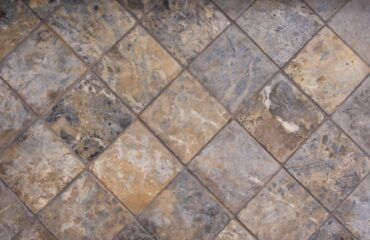
This risk is why tile and LVP are such smart investments. Porcelain tile is completely impervious to water and is incredibly easy to maintain; it resists stains from cooking and cleaning chemicals with ease, making it a reliable workhorse for busy kitchens. If you prefer the warmth and speed of LVP, ensure the product has a solid, waterproof core. Always avoid wood or laminate products in basements or lower-level apartments where hydrostatic pressure or flooding is a possibility; the cost of initial savings on material will be exponentially less than the cost of later water mitigation. When prioritizing the long-term protection of your property, materials that laugh in the face of moisture are the clear best flooring for a rental.
Hardwood and Laminate: Weighing Upfront Cost Against Longevity
Many property investors dream of installing genuine hardwood because it commands premium rent and is highly desirable to tenants, but the practicalities of its use in a rental need careful consideration. Solid hardwood can be refinished multiple times, offering incredible longevity, but the initial material cost is high, and it is vulnerable to scratches, dents, and moisture damage. If you choose hardwood, engineered wood is strongly recommended over solid wood, particularly in areas like the Bay Area where temperature and humidity fluctuations can cause solid planks to warp or gap. Engineered wood provides superior stability against those environmental stresses, making it a safer long-term choice for high-end units.
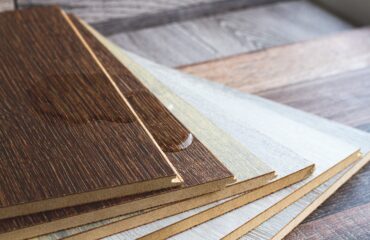
However, if you are looking for the aesthetic of wood without the expense and maintenance liabilities, high-quality laminate provides an excellent compromise. Modern laminates are so convincing that they mimic the feel and look of real wood without absorbing moisture like actual wood does. Laminate is resistant to scratches and impact, making it ideal for units where tenants might have heavier furniture or active children. While traditional laminate has issues with standing water, newer water-resistant versions are closing the gap, providing durable, affordable, and easy-to-clean surfaces. The calculation is simple: hardwood offers maximum aesthetic appeal and lifespan, but laminate offers maximum abuse resistance and cost control, often making laminate the more prudent choice for the average rental portfolio.
Durability Metrics: What Really Matters When Selecting Best Flooring for a Rental
When you look at flooring specifications, you need to understand the numbers that directly translate to rental longevity. For laminate, the critical number is the AC rating (Abrasion Class). We only recommend using AC4 or AC5 rated laminate for rental properties, as these ratings confirm the material can handle commercial-level traffic and heavy use. Anything below AC3 will likely show wear too quickly, forcing premature replacement.
For LVP, the wear layer is your most important metric. This is the clear protective coating on the top that resists scuffs and scratches. We suggest selecting an LVP with a wear layer of at least 20 mil; this provides robust protection against the kind of daily abuse rentals endure. When you look at tile, focus on the PEI rating (Porcelain Enamel Institute). A PEI rating of 4 or 5 indicates the tile is suitable for heavy traffic and commercial use, ensuring it can withstand years of tenant turnover without showing wear. Prioritizing these measurable durability standards guarantees you select the best flooring for a rental that is built to last, providing increased durability and reducing future expenses.
Tenant-Proofing Your Investment
Property management is often about mitigating risk, and your flooring can be leveraged as part of that strategy. Beyond simply choosing durable materials, proper installation and strategic use of accessories can help tenant-proof your home. Always ensure that entryways and mudrooms feature robust, commercial-grade tile, regardless of the flooring in the rest of the unit, to absorb the immediate impact of dirt, grit, and moisture brought in from outside.
Furthermore, consider requesting that tenants use felt pads under all furniture, especially for LVP and laminate floors, to minimize surface friction and scratching. While you cannot mandate this, making it a friendly request during move-in can significantly reduce long-term damage. In units where you have installed beautiful but slightly more vulnerable surfaces like engineered hardwood, providing high-quality area rugs, which the tenant is required to keep, protects the floor and adds visual appeal simultaneously. This small upfront investment provides a buffer against accidental spills and scrapes, ensuring that the best flooring for a rental is protected against daily misuse.
Aesthetic Appeal vs. Market Practicality
While durability is king, you cannot ignore aesthetic appeal entirely. Your flooring choice must be attractive enough to draw in quality tenants, but it must also be neutral enough to appeal to the widest possible market. We recommend leaning into medium, neutral tones. Medium shades are better at concealing everyday dirt, dust, and minor imperfections that accumulate between turnovers. Light, modern grays and natural wood colors are currently the most popular choices, providing a clean, contemporary look that complements most furniture styles.
Avoid highly trendy colors, loud patterns, or very dark finishes, which tend to show every speck of dust and make small imperfections more obvious. The goal is to create a clean, modern, and inviting backdrop that allows the tenant to project their own style onto the space. When the aesthetics are practical, neutral, and clean, you increase the home’s appeal and raise its resale value, making the best flooring for a rental a smart investment in two separate financial areas.
Final Verdict on the Best Flooring for a Rental
Choosing the right floor for your rental property is less about personal taste and more about making a strategic, low-risk business decision. The ideal solution blends affordability, durability, and tenant appeal. For most landlords, this means leveraging the unmatched waterproof reliability of LVP in kitchens and bathrooms, utilizing robust laminate in high-traffic main areas, and reserving durable, low-pile carpet for bedrooms. These choices combine to drastically reduce cleaning and repair costs during turnover, minimize vacancy periods, and maximize your profitability. When you prioritize long-term performance and easy upkeep, you secure your investment for years to come.
The Fastest Way to a Fabulous Floor Plan
Ready to stop agonizing over tenant-proof materials and start seeing better returns on your property? Let us apply our expertise to your rental portfolio, ensuring you get the most durable, cost-effective, and aesthetically appealing floors available. Contact us today for advice on the best flooring for a rental and a free design consultation tailored perfectly to your investment needs and budget.