

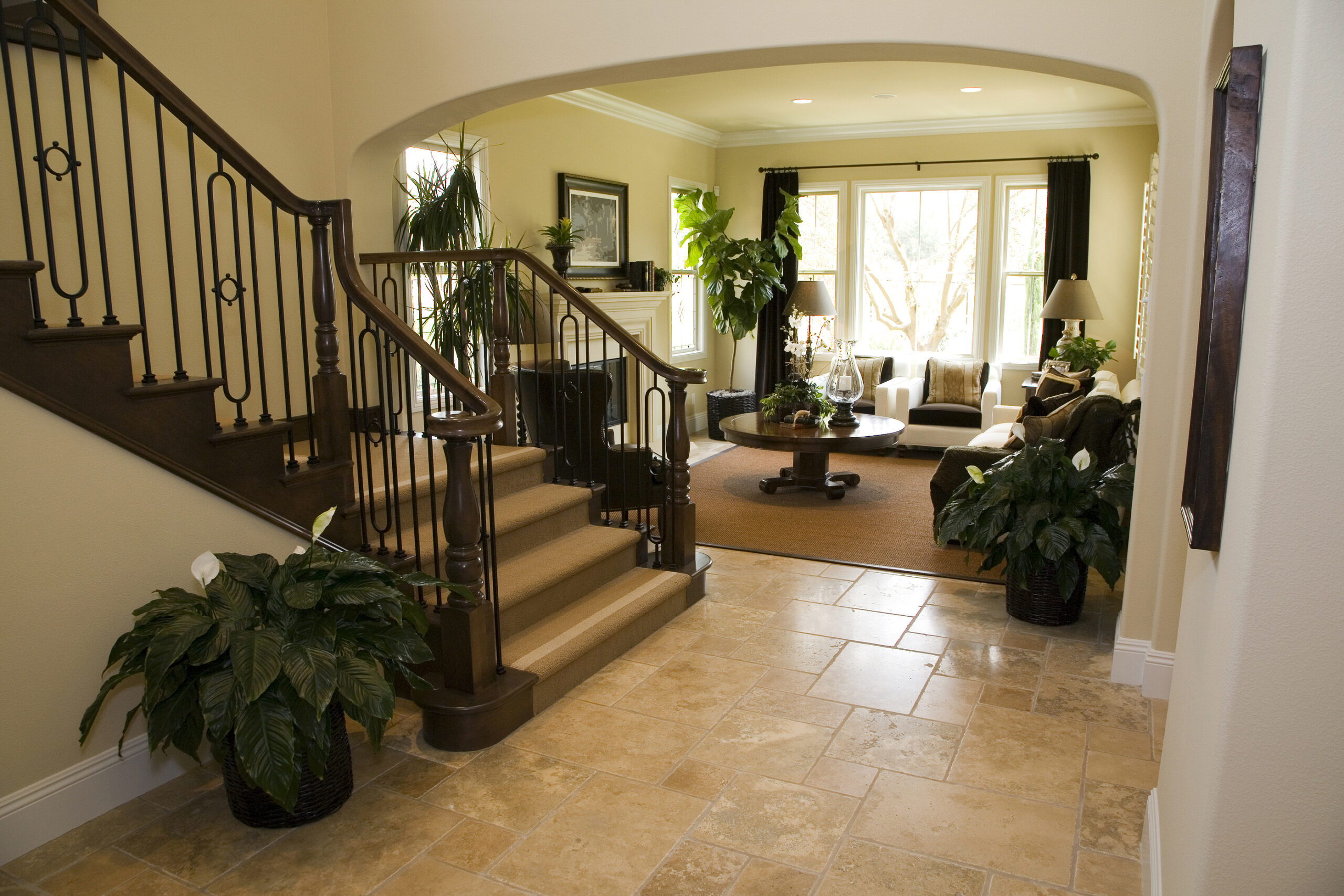
Hallways take more of a beating than most rooms in a home. They see muddy shoes, pet paws, dragging bags, and the occasional spill from a morning coffee dash. They’re also the first impression guests get when they step inside. Choosing the best flooring for a hallway means finding a balance between resilience and design—a floor that stands up to everyday life while still looking effortlessly put together.
Durability matters, but so does character. Some materials wear beautifully over time, developing a lived-in charm, while others resist wear altogether. The lighting, the width of the hallway, even the way sound carries through your home: each of these subtle details affects which flooring will truly last.
In this guide, we’ll explore what makes a hallway floor perform well year after year, and how the right choice can quietly elevate the entire space.
List of Contents
Understanding What Your Hallway Really Needs
Before you can decide on the best flooring for a hallway, it helps to think about what your hallway actually goes through each day. The flooring you choose has to withstand more movement, moisture, and dirt than almost any other surface in your home. Few areas in a home work harder, so the flooring you choose must handle daily wear while maintaining its appearance over time.
1. Consider the Level of Traffic
Every household is different. A busy family home with children and pets will demand a surface that’s resistant to scratches, dents, and spills. If you live alone or use your hallway more lightly, you might have more flexibility to prioritize design and texture over heavy-duty durability.
2. Pay Attention to Light and Space
In smaller homes or apartments, natural light can be limited. The tone and finish of your flooring can dramatically change how the space feels—lighter hues can open up the area, while matte finishes help diffuse light for a softer effect. The right color choice can make even a narrow hallway feel airy and inviting.
3. Think About Acoustics
Hallways can amplify sound, especially when connected to hard-surfaced rooms. Some flooring materials, like cork or certain vinyl options, help absorb footsteps and create a quieter, more peaceful environment.
4. Look at Flow and Continuity
If your hallway connects to an open-plan living or dining area, continuity becomes important. Extending the same flooring throughout can make your home feel cohesive and visually larger. On the other hand, a subtle transition—perhaps a change in pattern or texture—can help define separate zones without breaking the overall design.
Ultimately, the best flooring for a hallway blends practicality with design. It’s durable enough to endure everyday life, but thoughtfully chosen to reflect how you live and move through your home.
Choosing Materials That Go the Distance
Once you understand what your hallway demands, the next step is selecting a material that meets those needs without compromising on style. The best flooring for a hallway combines endurance with visual appeal: it should look great now and still perform well years down the line. Different materials bring different strengths to the table, and knowing how they behave in a high-traffic space helps you make a choice that lasts.
Engineered Wood: Warmth with Stability
Engineered wood offers the charm of real timber with added resilience. Because it’s built in layers, it handles humidity and temperature shifts better than solid wood—ideal for hallways where the front door might let in drafts or moisture. It gives a natural, welcoming look without the warping or shrinking that can happen over time with traditional hardwood.
Luxury Vinyl: Durable and Low-Maintenance
Luxury vinyl has evolved far beyond its early reputation. Today’s versions convincingly mimic wood, stone, or tile, while resisting water and scratches. It’s a practical choice for families and pet owners who want a stylish hallway that’s easy to clean and doesn’t show every mark of daily life.
Porcelain or Ceramic Tile: Tough and Timeless
Tiles are some of the most durable options available. They resist wear, moisture, and temperature changes, making them perfect for busy entryways. Choose a textured finish for slip resistance and a grout color that won’t highlight dirt. Porcelain, in particular, stands up beautifully to decades of foot traffic.
Laminate: Budget-Friendly Performance
For homeowners who want the look of wood at a lower cost, laminate flooring remains a reliable option. Modern laminates offer impressive scratch resistance and can hold up well under regular use. However, not all are water-resistant, so it’s worth investing in a higher-grade product if your hallway is prone to moisture.
Natural Stone: Elegant but Demanding
Stone floors like slate or limestone bring a sense of permanence and texture, but they do require upkeep. Regular sealing protects against stains and wear, keeping the surface beautiful for years. When maintained properly, stone can outlast almost any other flooring material.
The best flooring for a hallway is about matching the right material to your lifestyle. Whether you want warmth, ease of cleaning, or long-term strength, choosing with care ensures your hallway stands up beautifully to every step that crosses it.
Practical Details That Make a Difference
Even after you’ve chosen the right material, how that flooring is installed, finished, and maintained can dramatically affect how long it lasts. The best flooring for a hallway is just as much about the surface itself as it is about the thoughtful decisions that protect it from daily wear and tear.
1. Mind the Transitions
Hallways often connect to different rooms with different flooring types. Smooth transitions between materials are essential for both safety and aesthetics. Use a threshold strip or transition molding that complements the tones of each floor. This small detail keeps the flow seamless and prevents edges from chipping or catching over time.
2. Invest in a Proper Underlay
An often-overlooked element, the underlay cushions each step, reduces noise, and adds insulation. For vinyl or laminate, a moisture-resistant underlay can prevent warping from damp air or small spills. For wood or tile, it can help even out minor imperfections in the subfloor and add a layer of comfort underfoot.
3. Choose the Right Finish
A hallway floor’s finish determines not only its appearance but also its resilience. A matte or satin sheen tends to hide dust and small scratches better than a high-gloss finish. If you’re opting for natural materials, consider a protective sealant that resists moisture and scuffs while allowing the material’s texture to show through.
4. Protect High-Wear Areas
Adding mats near doorways and runners in the busiest spots can make a huge difference. Choose ones with non-slip backings to keep them safely in place. They’ll capture dirt and grit before it can scratch the surface, extending the life of your flooring without compromising the look of your space.
5. Plan for Maintenance
No flooring is truly maintenance-free. Regular cleaning and the occasional re-sealing or refinishing will keep your hallway looking fresh. Establishing a routine suited to your chosen material – whether it’s vacuuming, mopping, or polishing – will help preserve both the appearance and structure of the floor.
In the end, the best flooring for a hallway is the one that’s been thoughtfully planned from the ground up. Material, finish, and care all work together to create a surface that feels solid underfoot and looks inviting for years to come.
Let Dublin Carpet Help You Find the Perfect Hallway Floor
Ready to transform your hallway into a space that’s both beautiful and built to last? At Dublin Carpet, we help you find flooring that fits your lifestyle, your home, and your budget—without compromise. Our team can guide you through every step, from selecting the right materials to expert installation that stands the test of time.
Visit our virtual showroom or get in touch today to discover how the best flooring for a hallway can bring warmth, style, and durability to the heart of your home.


